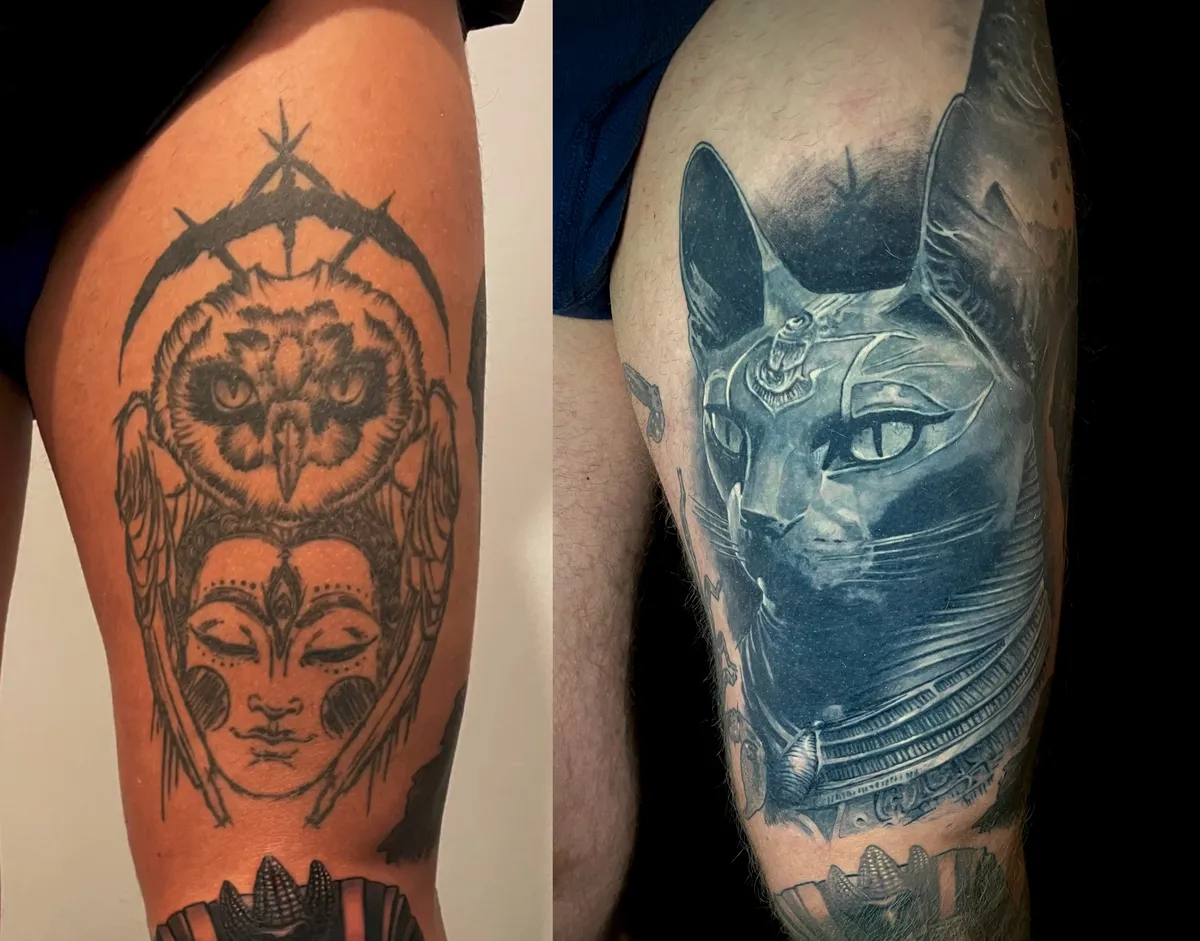
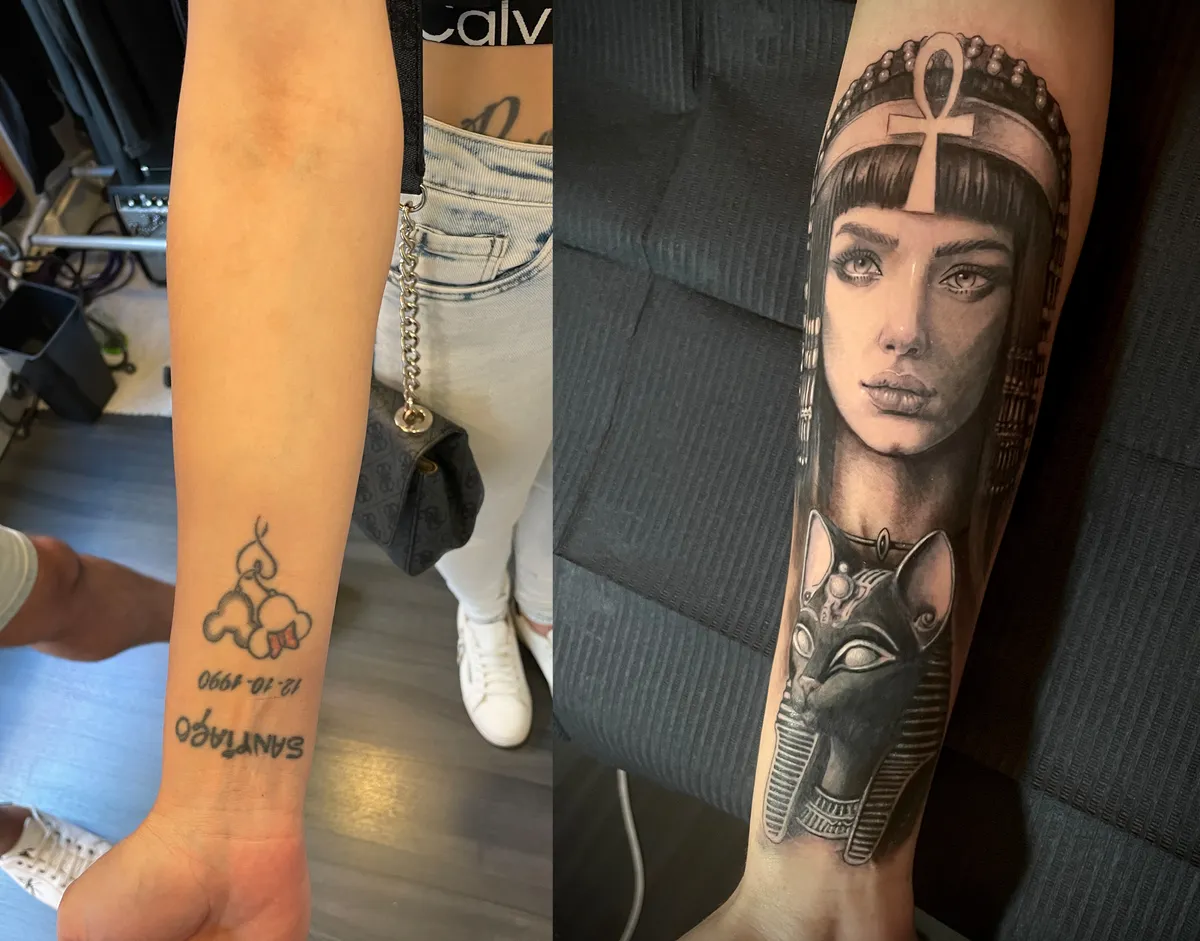
Cover-up tattoo by Paul Michael Andras

Cover-Up Tattoos

Transform your old tattoo into a new masterpiece

Cover-up tattoo transformation

Understanding Cover-Up Tattoos

A Specialized Art Form

Cover-up tattoos are a specialized form of tattooing that require experience, strategy, and a deep understanding of how ink sits and ages in the skin. Unlike a fresh tattoo, a cover-up works with existing ink that cannot be removed or lightened by new pigment alone. Because of this, the approach is very different from designing a tattoo on clean skin.

The process begins with a thorough consultation where the existing tattoo is evaluated for size, placement, ink density, and overall saturation. One of the most important things to understand is that cover-ups allow less freedom in design composition. While personal style and subject matter are always considered, the final design must be based on what will successfully conceal the original tattoo—not just what looks good on paper.
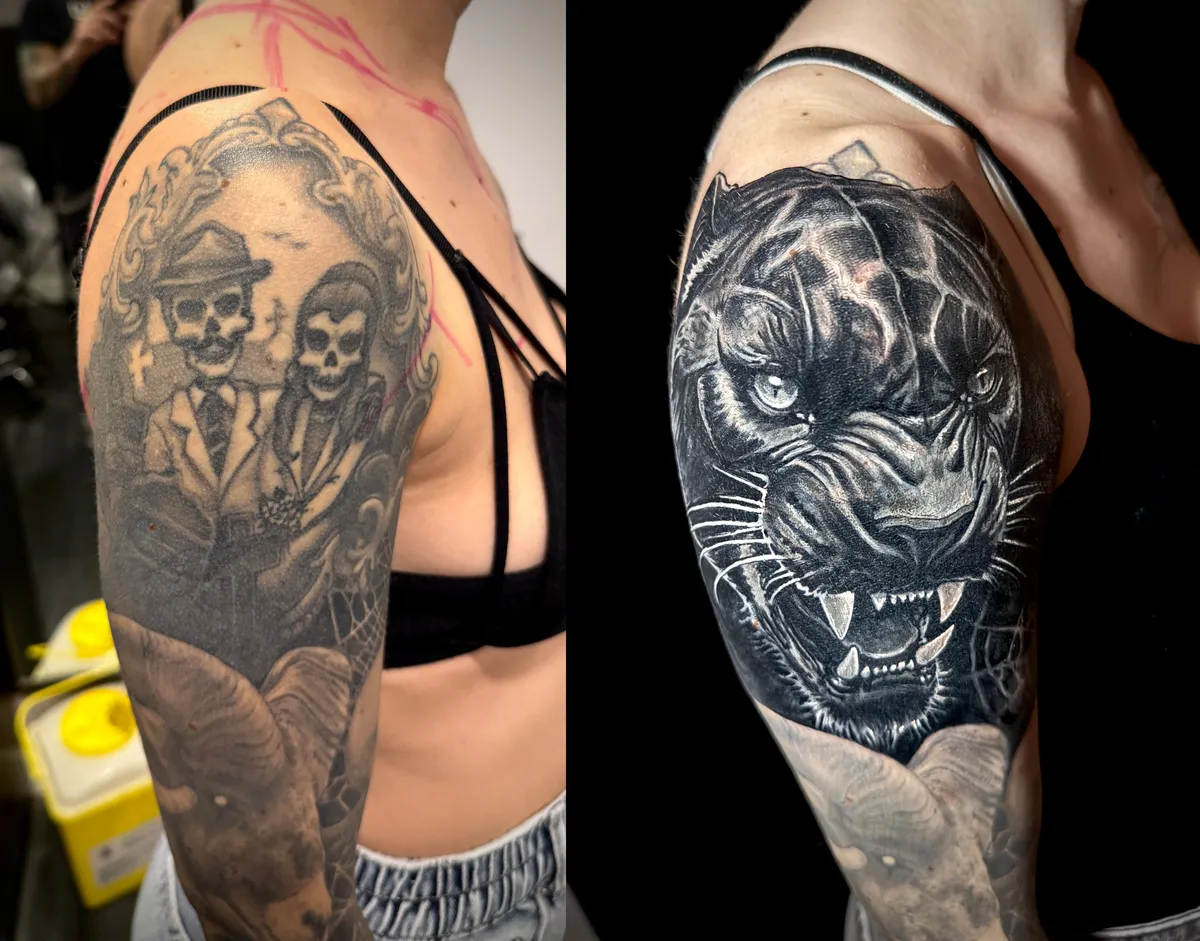
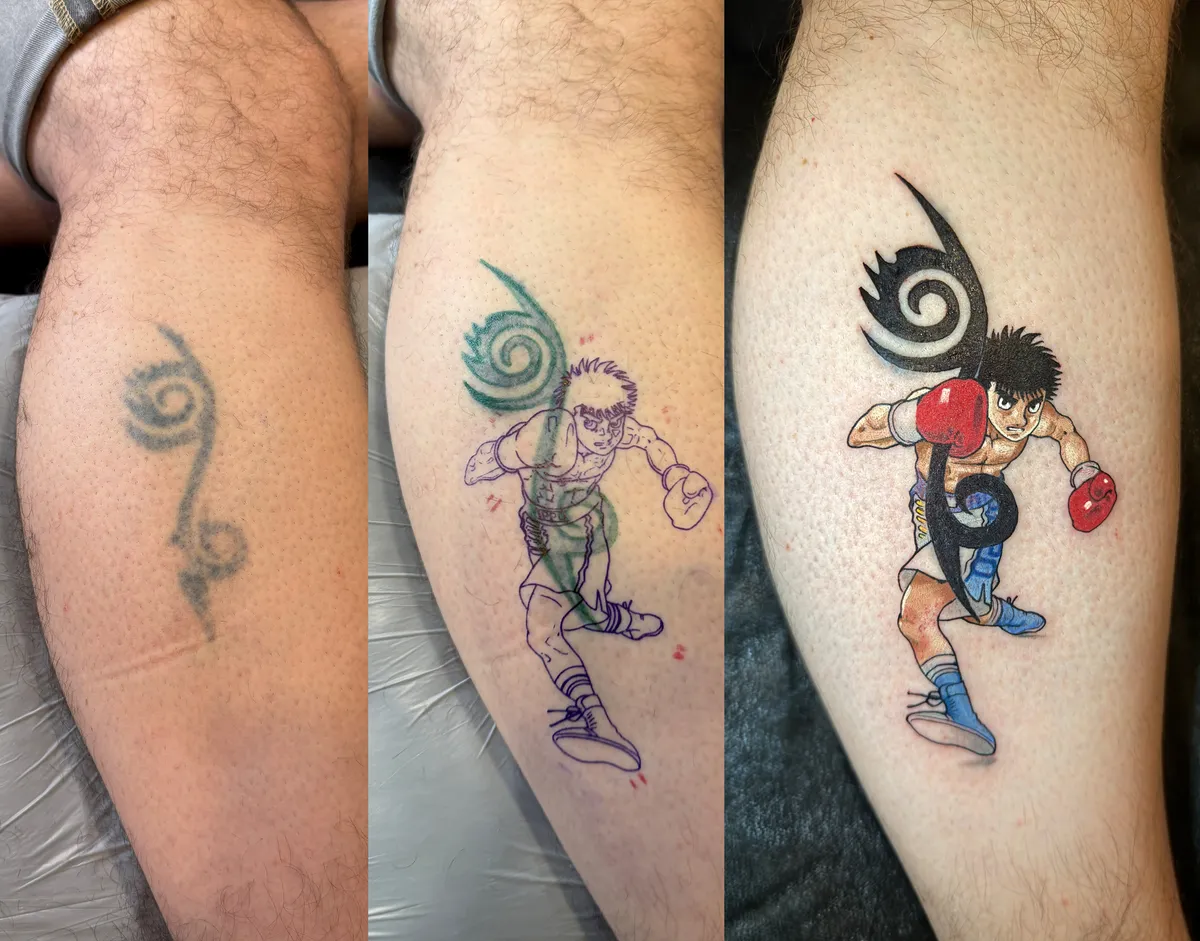
Successful cover-up tattoo example

What Works Best

Design Strategy for Cover-Ups

Darker subject matter with natural texture and movement tends to work best for cover-ups. Imagery such as panthers, crows, cats, or similarly detailed subjects allows for strategic use of shadows, depth, and contrast, which helps break up and disguise the underlying tattoo. Lighter designs, minimal linework, or open areas are usually not effective without prior fading.

In most cases, the new tattoo needs to be at least twice the size of the original tattoo. This extra space is essential for proper blending, strong contrast, and a balanced composition that doesn't reveal the old design over time. Attempting to match the original size often leads to visible ghosting as the tattoo heals and ages.

A successful cover-up isn't about forcing an idea—it's about making smart artistic decisions that result in a tattoo that looks intentional, cohesive, and built to last.

Key Things to Know

Less Design Freedom

Cover-ups allow less flexibility in design composition. The design must conceal the original tattoo effectively.

Dark & Textured Works Best

Dark, textured subject matter with strong contrast and movement produces the most successful results.

Size Matters

The new tattoo should be roughly twice the size of the original for proper blending and coverage.

Laser Can Help

In some cases, laser fading sessions before the cover-up grant significantly more design freedom.

Frequently Asked Questions

Can any tattoo be covered up?

Most tattoos can be covered up, but the approach depends on the size, color density, and placement of the existing tattoo. Very dark or heavily saturated tattoos may benefit from laser fading sessions before a cover-up to allow more design flexibility.

How big does a cover-up tattoo need to be?

In most cases, the new tattoo needs to be at least twice the size of the original. This extra space is essential for proper blending, strong contrast, and a balanced composition that doesn't reveal the old design over time.

What styles work best for cover-up tattoos?

Darker subject matter with natural texture and movement works best. Imagery such as panthers, crows, cats, or similarly detailed subjects allows for strategic use of shadows, depth, and contrast. Lighter designs or minimal linework are usually not effective without prior fading.

Explore More

Ready for Your Cover-Up?

Submit your cover-up idea and let's create something extraordinary together.

Book Consultation