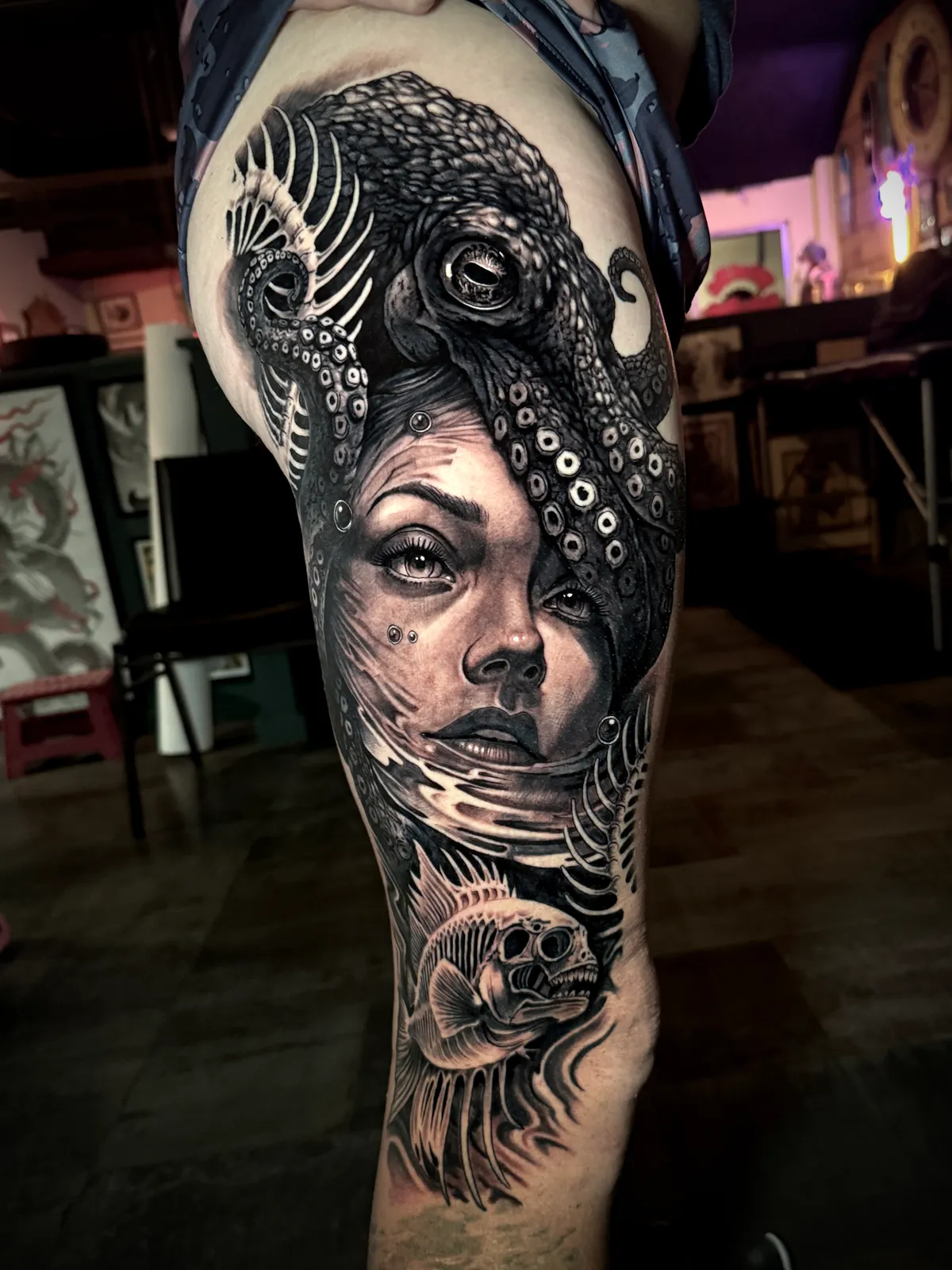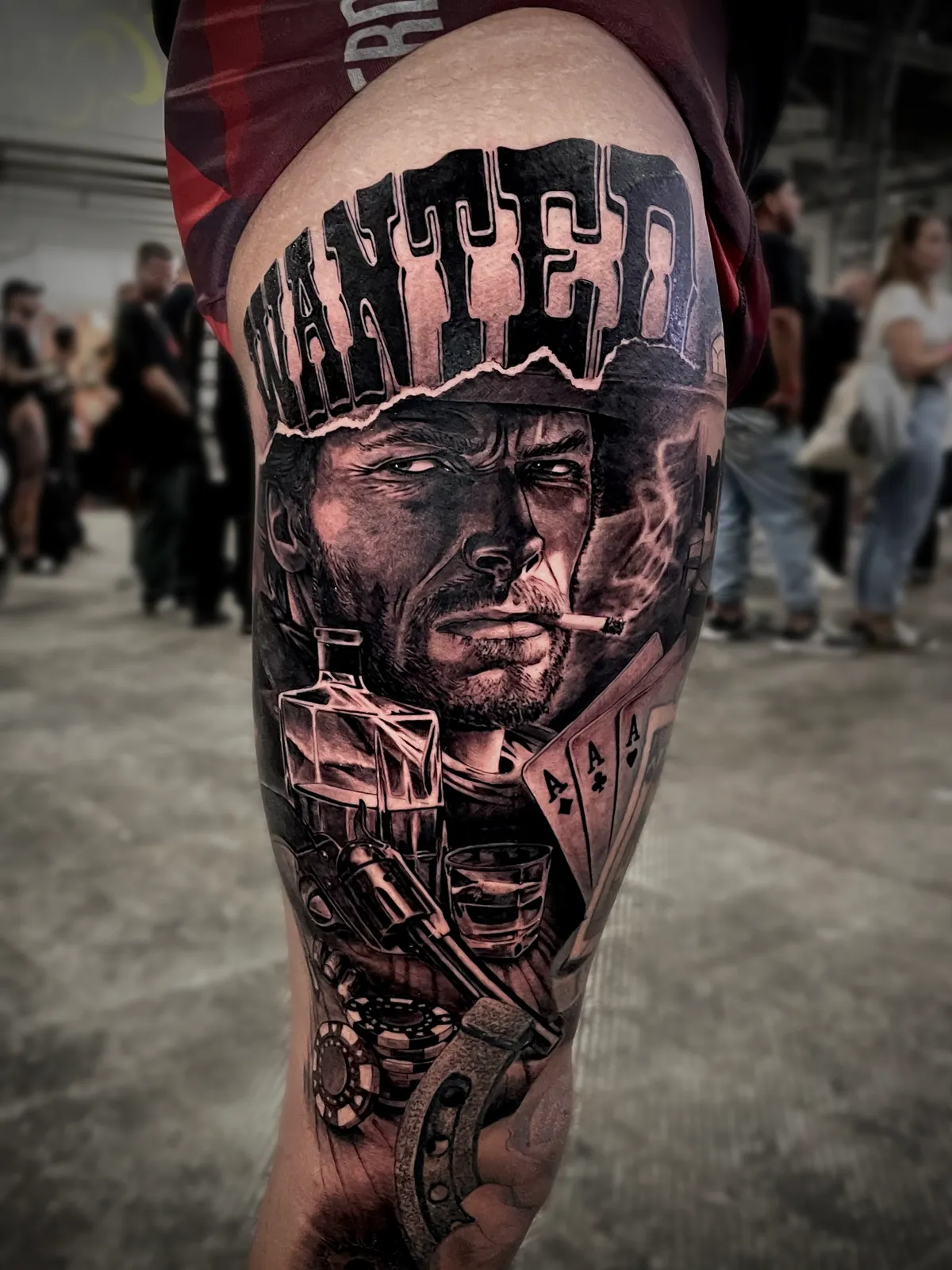
Black and grey realism Western cowboy portrait tattoo with playing cards and revolver by Paul Michael Andras

Portrait Tattoos

Photorealistic portraits captured in ink for a lifetime

Black and grey realism Western cowboy portrait tattoo with playing cards and revolver by Paul Michael Andras

What Makes a Great Portrait Tattoo

The Art of Capturing a Likeness

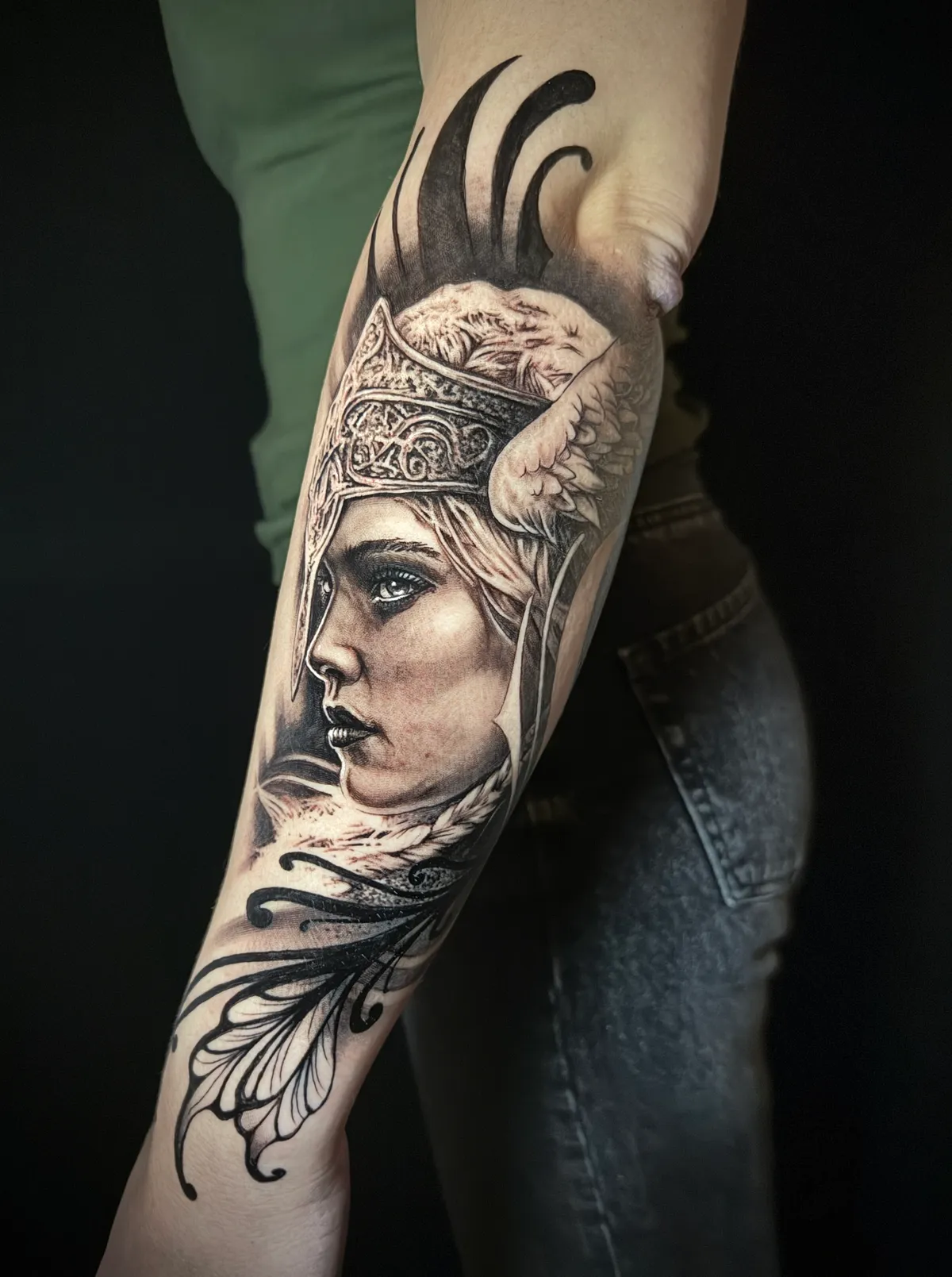
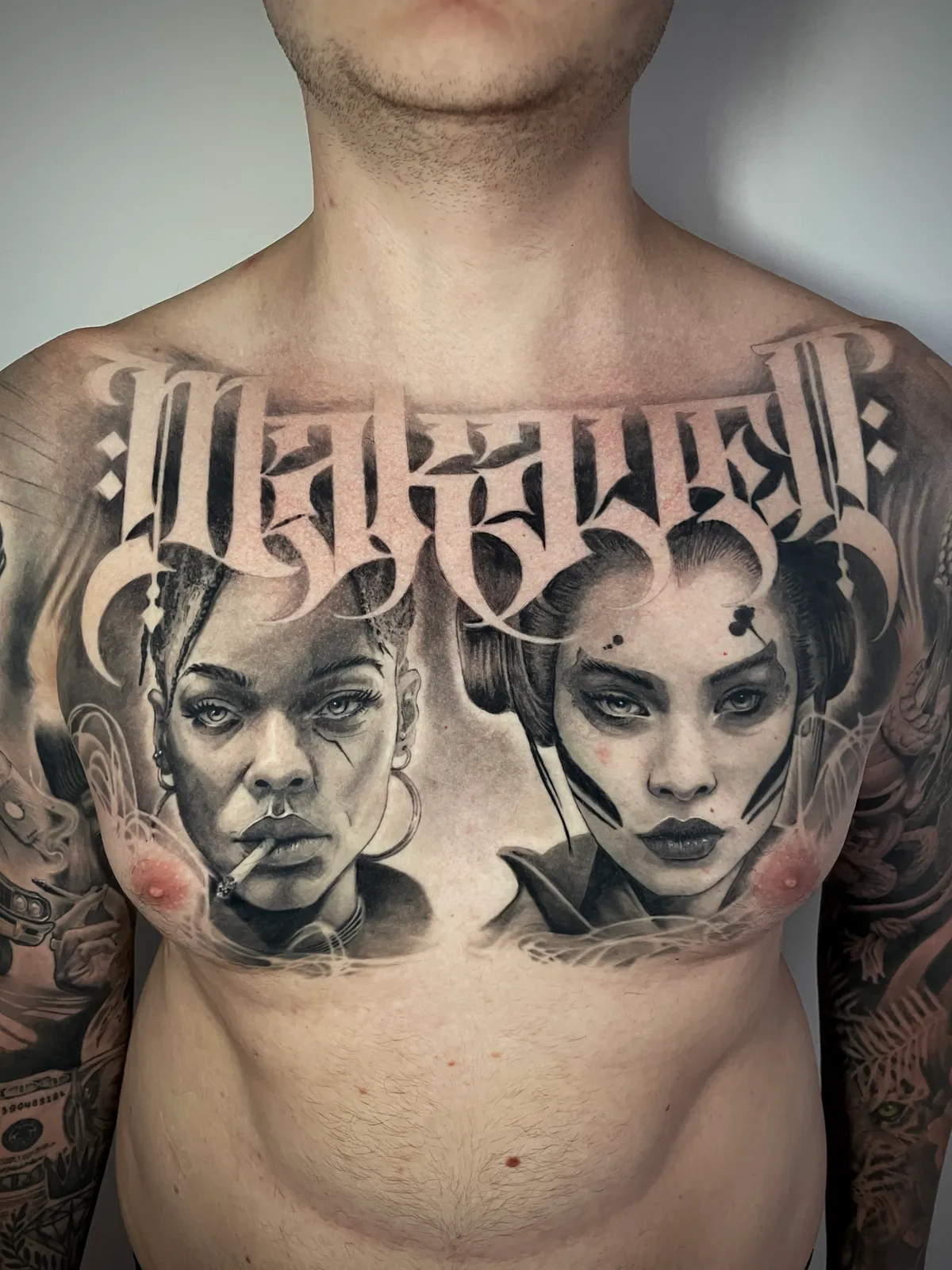
A portrait tattoo is one of the most demanding forms of tattooing. Unlike other styles where minor imperfections can blend into the design, a portrait must be accurate to the source — every viewer instinctively knows what a human face should look like. This means the margin for error is extremely small, and the artist's ability to capture a true likeness is everything.

It starts with reference photo quality. A high-resolution image with clear, even lighting and sharp detail in the eyes, skin, and hair is the foundation of every successful portrait tattoo. From there, the artist must have an advanced understanding of light, shadow, and tonal gradation — knowing how to translate the depth and dimension of a photograph onto the curved, textured surface of living skin. The skin is not paper or canvas; it moves, stretches, and heals differently across the body, which demands a level of technical precision that only comes with years of dedicated practice.
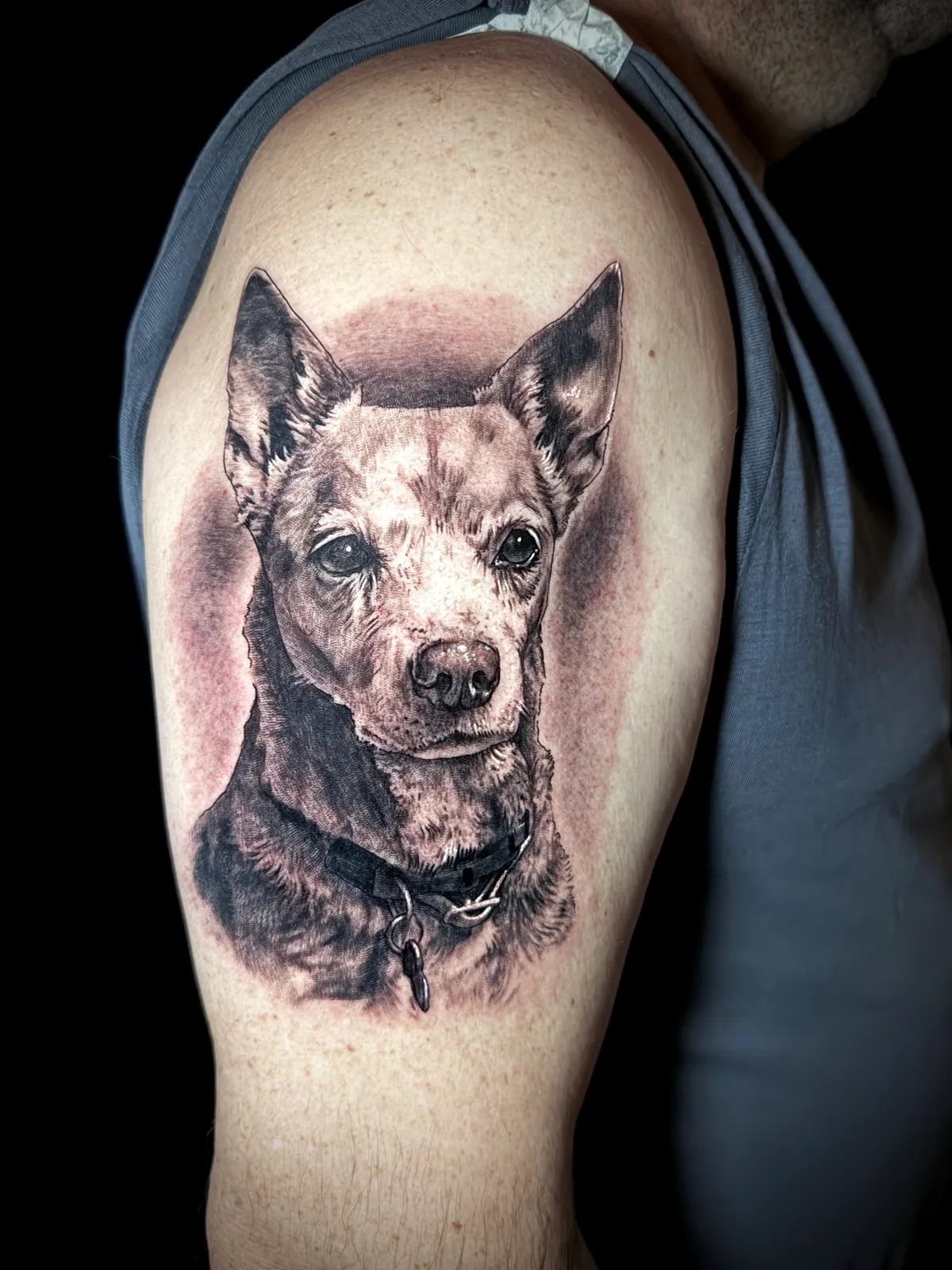
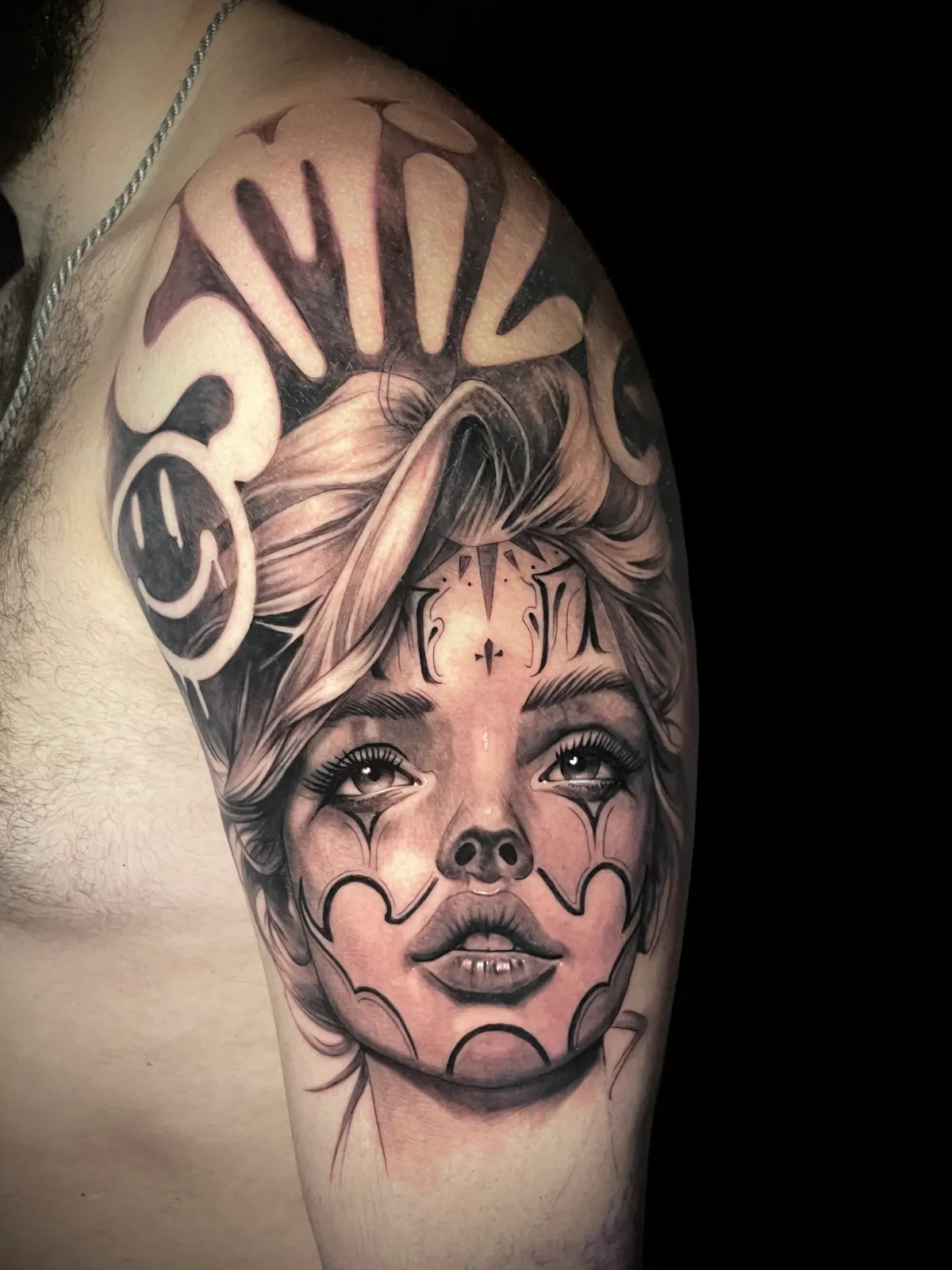
Black and grey realism dog portrait tattoo of chihuahua by Paul Michael Andras

Types of Portrait Work

From Loved Ones to Beloved Pets

Portrait tattoos span a wide range of subjects, and each type brings its own challenges and emotional weight. Human portraits — whether of family members, partners, or children — require the highest degree of accuracy because the client and everyone around them will immediately recognize any deviation from the real person.

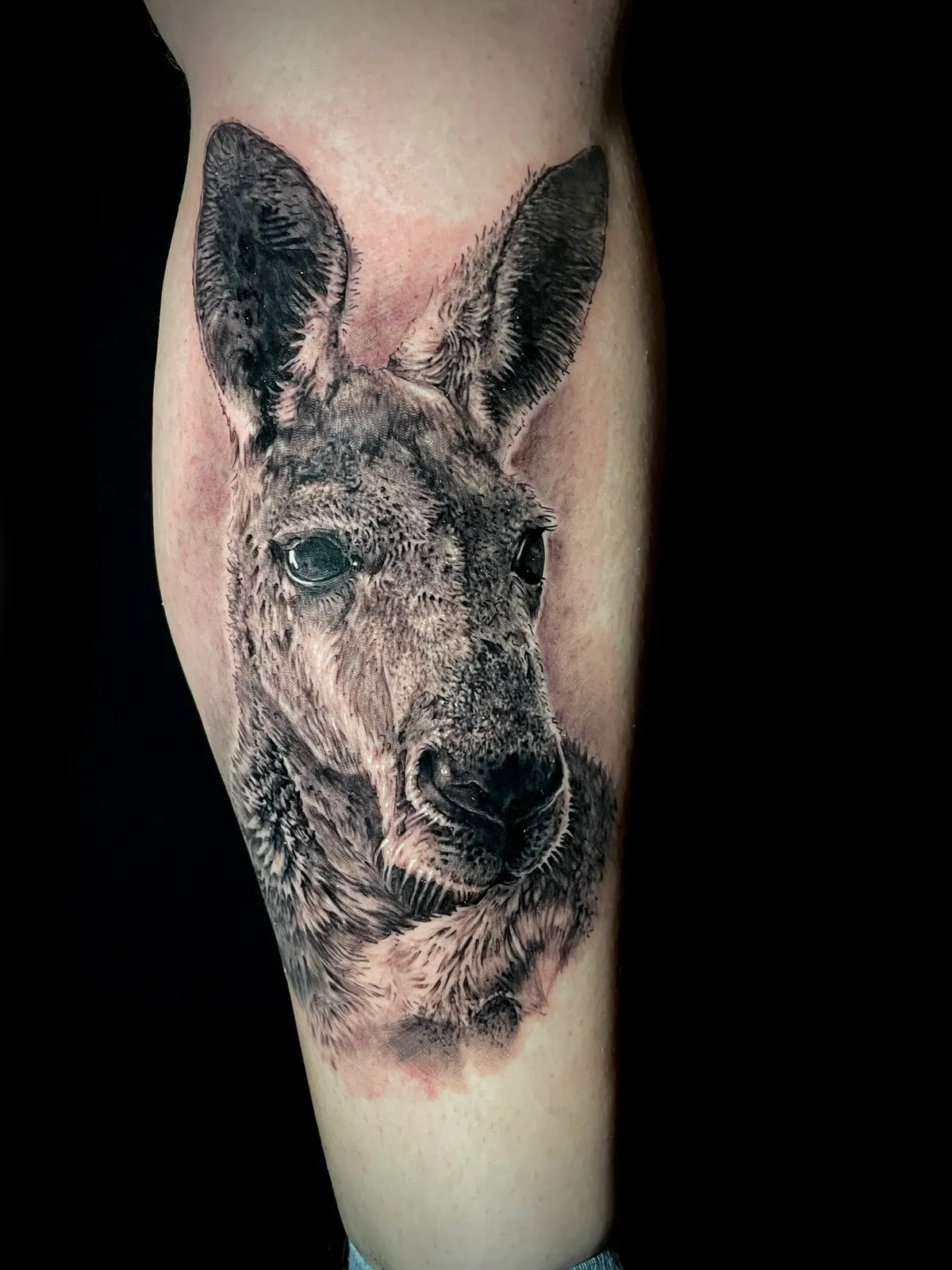
Pet portraits are another specialty, capturing the unique personality and character of an animal companion. From a loyal chihuahua to an unlikely kangaroo, every animal has distinct features that deserve the same level of care and precision as a human portrait. Memorial portraits carry deep personal significance, honoring loved ones who have passed and preserving their memory in a permanent, wearable tribute.

Beyond personal subjects, celebrity and character portraits — from film icons to musicians — and mythological or fictional character portraits allow for creative interpretation while still demanding photorealistic accuracy and masterful execution.

Key Things to Know

Reference Photo Tips

Provide the highest resolution photo possible with natural lighting, sharp focus, and a clear view of the face. Avoid filters, heavy shadows, or low-quality screenshots.

Capturing Likeness

A true portrait artist understands facial proportions, subtle expressions, and the interplay of light and shadow that makes a face recognizable at a glance.

Placement Considerations

Portraits work best on larger, flat areas like the upper arm, forearm, thigh, or back. Proper placement ensures the proportions remain accurate as the body moves.

Pet Portraits

Animals have unique textures — fur, feathers, scales — that require specialized techniques. A clear, well-lit photo of your pet is essential for a lifelike result.

Frequently Asked Questions

What makes a good reference photo for a portrait tattoo?

The best reference photos are high-resolution images with clear, even lighting and sharp focus on the subject's face. Avoid heavily filtered, low-resolution, or blurry photos. Natural light portraits with visible detail in the eyes, skin texture, and hair produce the most accurate and lifelike tattoo results.

Can you do pet portrait tattoos?

Yes, pet portrait tattoos are a specialty. From dogs and cats to more exotic animals, the same principles of realism apply. A high-quality reference photo with good lighting and a clear view of the animal's features is essential for capturing their unique personality and likeness in ink.

How realistic can portrait tattoos be?

With the right artist and reference material, portrait tattoos can achieve a photorealistic level of detail. Advanced techniques in shading, contrast, and tonal gradation allow for lifelike skin texture, expressive eyes, and accurate facial proportions. The key factors are the artist's skill, the quality of the reference photo, and proper placement on the body.

What is the best placement for a portrait tattoo?

Portrait tattoos work best on larger, relatively flat areas of the body that allow for sufficient detail and proper proportions. The upper arm, forearm, thigh, calf, chest, and back are all excellent choices. Avoid areas with excessive curvature or joints, as distortion over time can affect the likeness of the portrait.

Explore More

Ready for Your Custom Portrait?

Submit your portrait idea and reference photos to begin creating a lifelike tribute in ink.

Book Consultation